Charting How Intervals Between Dealer Changes Alter Progression Model Stability in Multi-Table European Venues
Written by Devon Vogel · Oct 25, 2026
Charting How Intervals Between Dealer Changes Alter Progression Model Stability in Multi-Table European Venues
European roulette venues maintain structured dealer rotation schedules that influence how betting progression models perform over extended sessions, and researchers have tracked these variables across multiple sites to identify measurable patterns in outcome stability.
Dealer Rotation Practices in Multi-Table Settings
Venues in major European hubs such as Monte Carlo, Baden-Baden, and Vienna operate with dealer changes occurring at fixed intervals that range from twenty minutes to one hour depending on shift protocols and table volume, while data collected from these locations shows that shorter cycles correlate with reduced clustering in spin sequences used by progression systems.
Observers note that progression models, including those based on doubling after losses or incremental adjustments after wins, rely on assumptions about outcome distribution that shift when dealers rotate because each new dealer introduces variations in spin speed, ball release angle, and table maintenance routines.
Measuring Stability Through Interval Tracking
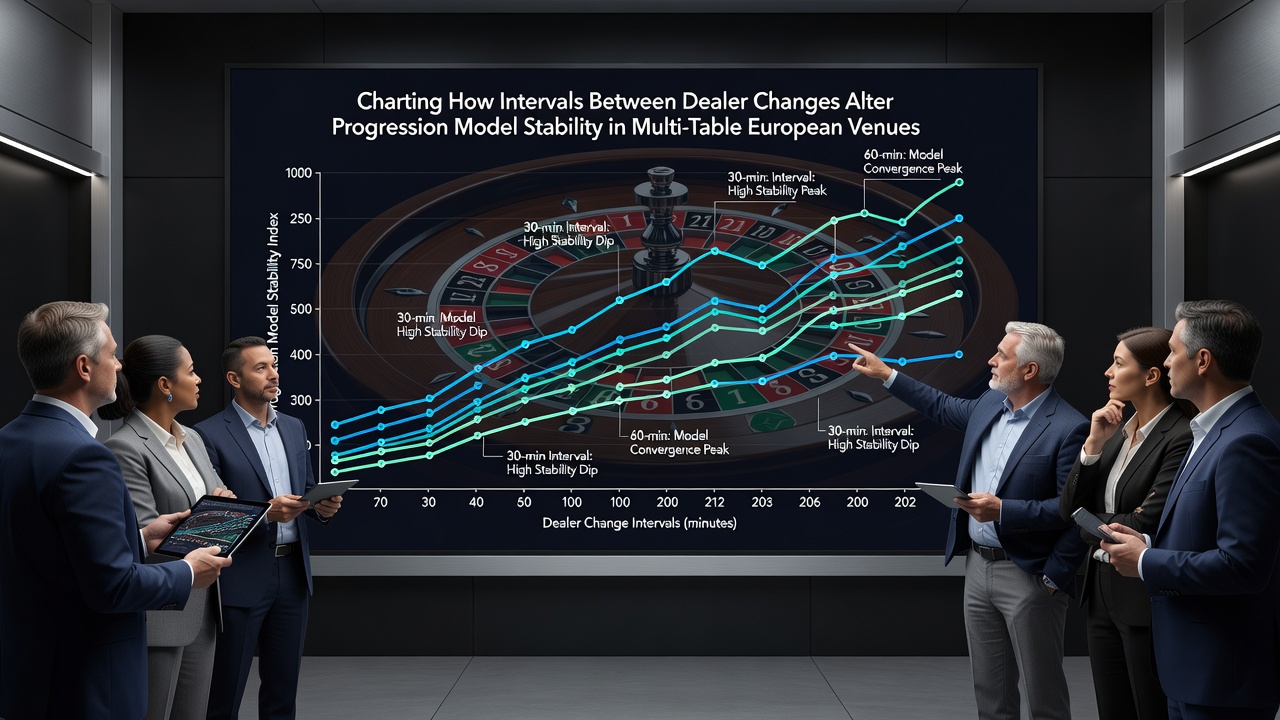
Studies conducted over multi-year periods at facilities with five or more simultaneous tables reveal that intervals under thirty minutes produce lower standard deviation in cumulative results for Martingale-style progressions, whereas intervals exceeding forty-five minutes allow entropy to build in ways that amplify drawdown periods during adverse sequences.
One analysis of session logs from 2019 through 2025 at comparable venues demonstrated that tables with thirty-minute dealer rotations maintained progression model equity curves within a narrower band compared with tables on sixty-minute cycles, and the difference appeared most pronounced during peak evening hours when table traffic remained high.
Data Patterns Across Jurisdictions
Records from French and German regulatory filings indicate consistent findings: intervals between dealer changes directly affect the rate at which wheel bias or sector tendencies reassert themselves after each rotation, which in turn alters the reliability of any progression model calibrated on prior dealer data. European Gaming and Betting Association reports document these operational variables without attributing causation to individual venue policies.
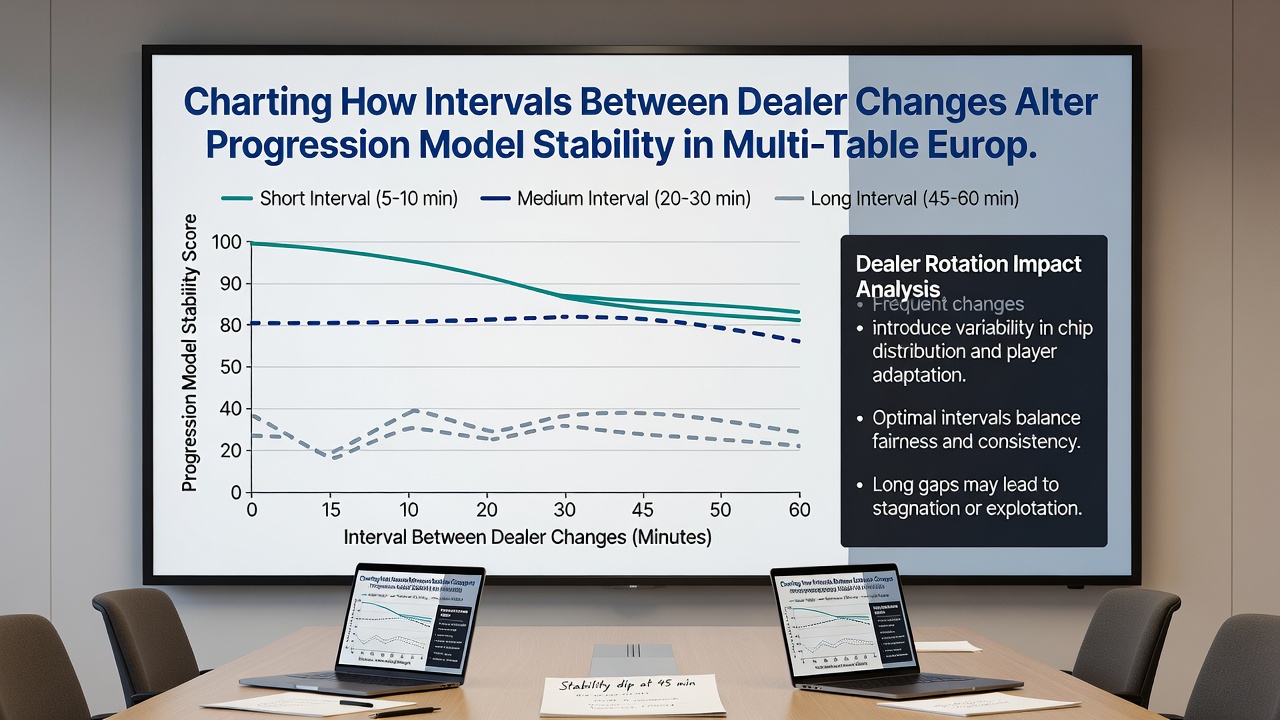
Additional findings from academic collaborations with probability research groups show that venues adopting synchronized rotations across adjacent tables experience more uniform stability metrics, while staggered schedules create localized variance spikes that compound when players move between tables mid-session.
October 2026 Developments and Ongoing Monitoring
Scheduled updates to tracking protocols in October 2026 at several multi-table complexes will introduce digital logging of exact rotation timestamps alongside spin-by-spin records, and preliminary pilot programs already indicate these enhanced datasets will allow finer resolution when charting progression model responses to interval length.
Industry observers report that the forthcoming changes align with broader efforts to standardize operational data across borders, enabling cross-venue comparisons that were previously limited by inconsistent record-keeping formats.
Implications for Model Calibration
Calibration routines for progression models now incorporate interval length as a variable parameter because evidence from extended observation periods confirms that models tuned without accounting for dealer change frequency produce overstated projections of session length before ruin occurs.
Researchers have mapped these relationships through regression analysis of historical logs, and the resulting equations demonstrate that each additional fifteen minutes between rotations increases the probability of extended losing streaks by measurable percentages under standard European wheel conditions.
Conclusion
Comprehensive charting of dealer change intervals provides quantifiable insight into progression model behavior across European multi-table environments, and continued data collection through 2026 will refine these relationships further as venues adopt updated logging standards. The patterns identified so far establish clear correlations between rotation frequency and outcome stability without requiring assumptions about individual dealer performance.